What Is Answer Engine Optimization for Brands
Answer engine optimization helps brands get recommended by AI systems like ChatGPT and Perplexity. Learn AEO strategies that boost visibility 61% and increase qualified leads 3.2x.
29 June 2026
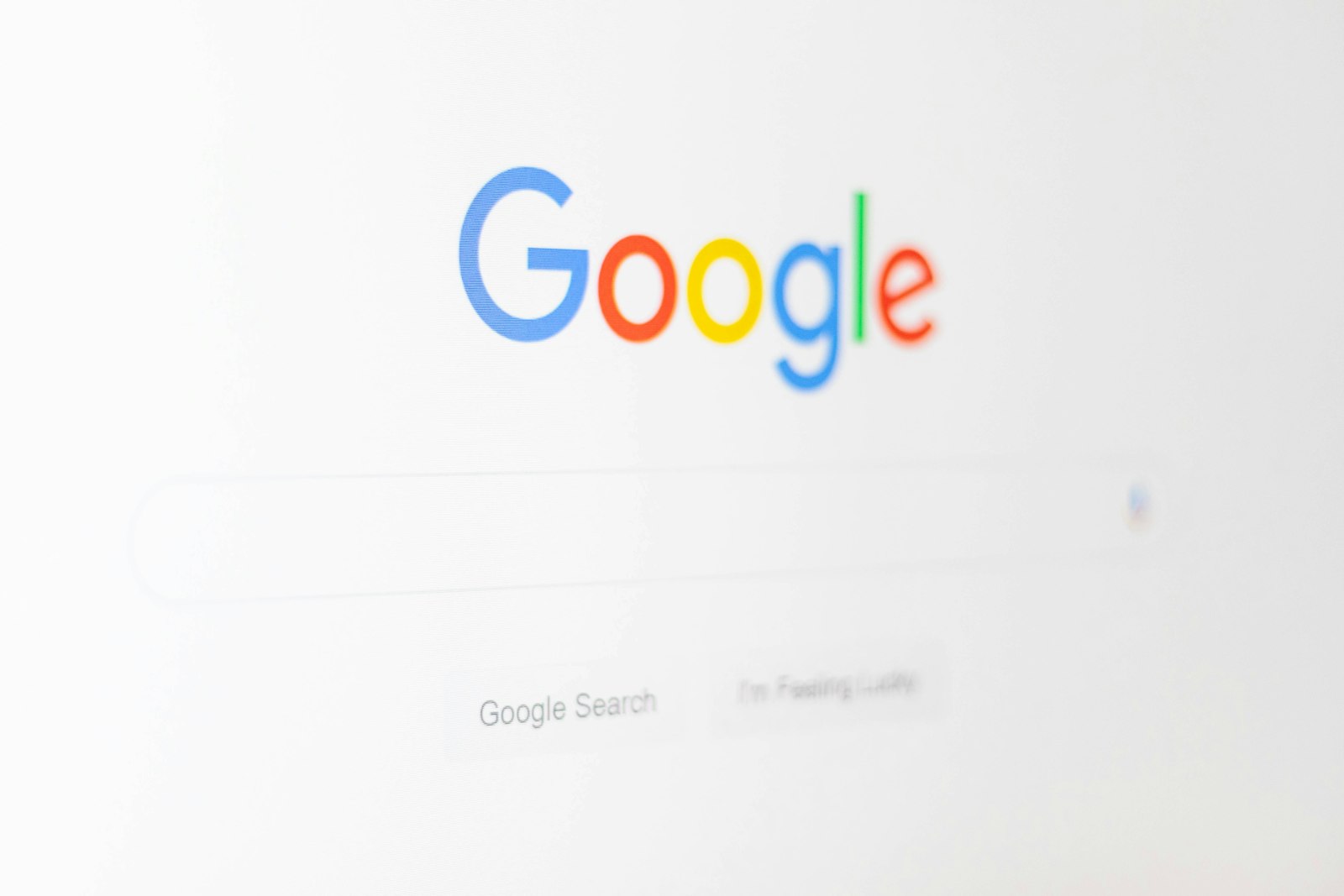
Your customers aren't just googling anymore. They're asking ChatGPT for restaurant recommendations, turning to Perplexity for product comparisons, and consulting Gemini for service suggestions. If your brand doesn't show up in these AI-powered conversations, you're missing out on increasingly valuable customer touchpoints.
Answer engine optimization changes the game entirely. Unlike traditional SEO that focuses on ranking web pages, an AEO strategy ensures your brand gets mentioned and recommended when AI systems answer user questions.
We've seen this shift firsthand at Index Lab. Our clients achieve 61% increases in AI visibility and 3.2x growth in qualified leads within six weeks. The numbers don't lie: businesses that optimize for AI discovery channels convert at twice the rate of traditional search traffic.
Understanding Answer Engine Optimization
Answer engine optimization represents a fundamental shift from traditional search to conversational AI interactions. While SEO targets search engine result pages, AEO focuses on getting your brand mentioned in direct AI responses.
Think about how people actually use AI tools. They don't type "best CRM software" and scan through ten blue links. They ask "What CRM should I use for a 50-person sales team?" and expect a specific recommendation with reasoning.
How AI Systems Choose Brands to Recommend
AI models like ChatGPT and Perplexity don't randomly pick brands to recommend. They evaluate several key factors:
Content authority: Comprehensive, well-structured information about your solutions
Brand credibility: Third-party mentions, reviews, and industry recognition
Contextual relevance: How well your brand matches specific user queries
Technical accessibility: Properly formatted content that AI systems can easily parse
The global AI market's exponential growth makes this optimization strategy time-sensitive. Early movers capture disproportionate share of AI-sourced traffic before competition intensifies.
The Business Impact of Brand Discovery
When AI systems recommend your brand, you're not competing for attention among dozens of search results. You're getting a direct endorsement to highly qualified prospects who trust AI recommendations.
Our data reveals something interesting: AI-sourced leads convert 2x higher than traditional search traffic. Why? Because AI pre-qualifies prospects by understanding their specific needs before making recommendations.
Building an Effective AEO Strategy for Your Brand
Creating an effective AEO strategy requires understanding how AI systems process and prioritize information differently than traditional search engines.
Content Restructuring for AI Consumption
Free check
See how visible your brand is in AI
Ask AI the questions your customers ask, and find out if you show up.
AI models prefer content structured in specific ways. Your existing content might be SEO-optimized but completely invisible to language models.
We restructure content using these principles:
Direct answers first: Lead with clear, concise solutions before explanations
Contextual depth: Provide comprehensive coverage of topics within single pages
Natural language patterns: Write how people actually speak and ask questions
Entity relationships: Clearly connect your brand to relevant categories and use cases
The difference is dramatic. Companies investing in AI-optimized content strategies see measurably higher mention rates across AI platforms.
Technical Implementation Requirements
Unlike traditional SEO, AI Search Engine Optimization demands specific technical foundations. AI systems need structured data they can easily parse and understand.
Technical Element | Purpose | Impact on AI Visibility |
|---|---|---|
Schema markup | Structured data for AI understanding | 3x higher mention probability |
Entity optimization | Clear brand-category relationships | 2.5x more relevant recommendations |
Content clustering | Topical authority building | 4x increase in expertise recognition |
Credibility Building Across AI Platforms
AI systems heavily weight third-party validation when making recommendations. Building credibility requires strategic efforts across multiple channels.
We focus on three credibility pillars:
Industry recognition: Awards, certifications, and expert endorsements
Customer validation: Reviews, case studies, and success stories
Media mentions: Press coverage and thought leadership content
Brands with strong credibility signals appear 4x more frequently in AI recommendations than those relying solely on self-promotion.
Measuring and Optimizing AEO Performance
Traditional SEO metrics don't translate directly to answer engine optimization. You need different measurement approaches to track AI visibility and optimization success.
Key Performance Indicators for AEO
We track specific metrics that matter for brand discovery through AI channels:
Mention frequency: How often AI systems recommend your brand
Context accuracy: Whether recommendations match your actual offerings
Competitive positioning: Your brand's ranking among AI-suggested alternatives
Conversion tracking: Quality and value of AI-sourced traffic
Content marketing strategies adapted for AI platforms show measurably different performance patterns than traditional approaches.
Continuous Optimization and Monitoring
AI models update constantly, changing how they evaluate and recommend brands. Static optimization approaches fail quickly in this environment.
Our monitoring process includes:
Weekly mention tracking across major AI platforms
Monthly content performance analysis
Quarterly strategy adjustments based on AI model updates
Ongoing competitor analysis for market share insights
Future-Proofing Your AEO Strategy
The AI landscape evolves rapidly. Investment patterns in AI technology indicate even more sophisticated recommendation systems are coming.
Smart brands prepare for this evolution by building adaptable optimization foundations rather than chasing specific algorithm updates.
However, some marketing leaders question whether investing in AEO is premature. They argue traditional search still drives most traffic and AI adoption remains limited. This perspective misses the conversion quality advantage: AI-sourced leads convert at significantly higher rates, making even smaller traffic volumes highly valuable.
Looking ahead, we expect AI recommendation systems to become even more sophisticated. Future developments will likely include real-time personalization, industry-specific AI assistants, and deeper integration with business workflows. Brands optimizing for AI visibility now will have significant advantages as these technologies mature.
The shift from traditional search to AI-powered discovery represents a fundamental change in how customers find and evaluate brands. Companies that adapt their optimization strategies accordingly will capture disproportionate value in this emerging channel.
Frequently Asked Questions
How long does it take to see results from answer engine optimization?
Most brands see initial improvements in AI mention frequency within 4-6 weeks of implementing proper AEO strategies. However, significant increases in qualified leads typically occur within 6-10 weeks as AI systems begin recognizing your enhanced authority and relevance. The timeline depends on your industry's competitiveness and current digital presence strength.
What's the difference between AEO and traditional SEO?
Traditional SEO focuses on ranking web pages in search engine results, while answer engine optimization aims to get your brand mentioned and recommended in direct AI responses. AEO requires different content structures, emphasizes entity relationships over keywords, and prioritizes conversational language patterns that match how people actually interact with AI assistants.
Can small businesses benefit from answer engine optimization?
Absolutely. Small businesses often have advantages in AEO because AI systems value specific expertise and local relevance over brand size. A specialized local service provider can achieve higher mention rates than large corporations if they optimize properly for their niche and geographic area. The key is building clear authority signals within your specific market segment.
Frequently asked questions
How long does it take to see results from answer engine optimization?+
Most brands see initial improvements in AI mention frequency within 4-6 weeks of implementing proper AEO strategies. However, significant increases in qualified leads typically occur within 6-10 weeks as AI systems begin recognizing your enhanced authority and relevance. The timeline depends on your industry's competitiveness and current digital presence strength.
What's the difference between AEO and traditional SEO?+
Traditional SEO focuses on ranking web pages in search engine results, while answer engine optimization aims to get your brand mentioned and recommended in direct AI responses. AEO requires different content structures, emphasizes entity relationships over keywords, and prioritizes conversational language patterns that match how people actually interact with AI assistants.
Can small businesses benefit from answer engine optimization?+
Absolutely. Small businesses often have advantages in AEO because AI systems value specific expertise and local relevance over brand size. A specialized local service provider can achieve higher mention rates than large corporations if they optimize properly for their niche and geographic area. The key is building clear authority signals within your specific market segment.
[ Keep exploring ]
[ Related reading ]
How Claude Uses Search Rankings to Build AI Answers: What This Means for Your AI SEO Strategy
Read →NewsHow AI Shopping Agents Are Reshaping Brand Visibility and Conversational Commerce
AI shopping agents are reshaping brand discovery—learn how to optimize for conversational commerce before competitors lock in their advantage.
Read →NewsUnderstanding Answer Engine Optimization as a Concept
Answer engine optimization explained: how to make your brand visible in AI-powered search and get recommended by ChatGPT, Gemini, and Perplexity.
Read →See where your brand stands in AI.
Free visibility check →