Which industries need AI SEO optimisation the most right now?
Which industries are most affected by AI search right now, why research-heavy sectors feel it first, and how to tell whether yours needs AI SEO today.
Guilherme Hortinha · 5 November 2025
The 4 top industries being most affected by the shift to AI search
1. Financial Services / Insurance / Banking
This sector is heavily research-driven: consumers compare providers, review risk, evaluate complex products. With the emergence of AI summaries and zero-click behaviours, the visibility of such content is challenged.
According to McKinsey & Company: “in industries such as consumer-packaged goods and financial services, more than 65 percent of sources across AI-powered searches are publishers (magazines and microsites), user-generated content, and affiliate sites.” (McKinsey & Company)Also, recent analysis shows that in industries like insurance, queries triggering AI Overviews grew from 17 % to 63 % in a year. (Search Engine Land).
Why it's critically in need of AI SEO optimisation:
Long-consideration purchase decisions → large research phase → content engages.
High value customer lifetime → losing even small % of visibility has big impact.
Trust, authority, expertise matter: when AI presents summary answers, the brand must be the authority cited.
2. B2B Technology & Enterprise Software
Business software buyers research features, integrations, vendor comparisons, often over a multi-month journey. The shift to conversational search (LLMs) means fewer website clicks for informational intent.According to analysis by Tank, the B2B tech sector saw an increase in queries triggering AI summaries from ~36% to ~70%. (Search Engine Land)
Why this industry needs AI SEO optimisation now:
Purchase decisions are complex and multi-stage → content must serve both human and AI summarisation needs.
Many stakeholders involved: sales-teams, technical leads, procurement → content must speak to multiple intents.
Losing visibility in early research phases means losing pipeline.
3. Travel / Hospitality / Leisure
Users often begin their search journey with broad exploratory queries (“best cities for winter break”, “top 5 ski resorts Europe”, etc). AI summaries are fast to answer such queries, which risks bypassing deeper website engagement. According to Tank’s research, travel & tourism saw an organic traffic drop of –1.6 % compared to the prior year’s +34.7%. (tank.co.uk)Additionally, domain-specific research (Rich Sanger & Authoritas) shows that industries like Travel & Hospitality experienced some of the largest “vertical drops” (space taken up by AI summaries pushing down organic links). (Rich Sanger SEO)
Why it needs GEO/AI SEO optimisation:
Many queries are informational or inspiration-based → exactly the kind of queries where AI summaries dominate.
The pool of providers is large and competitive → visibility matters.
Often transactions are high-value (holidays, big spend) but the traffic may convert fewer visitors → being selected at the AI stage offers a big advantage.
4. News / Media / Informational Content Industries
Although not a classic “buy a product” industry, this category is seeing some of the sharpest organic traffic drops because information needs are being met by AI summaries rather than click-throughs. For example: According to a study, “a site previously ranked first could lose about 79 % of its traffic for that query if results were delivered below an AI overview.” (The Guardian)
Also, it’s reported that organic traffic to news sites fell drastically; e.g., The New York Post data show big declines. (New York Post)
Why prioritise AI SEO optimisation here:
The entire business model is threatened by zero-click/AI-summarised results.
Being cited in the summary (rather than simply ranking) becomes crucial for visibility and brand reach.
The shift is already underway; waiting will cost further decline.
Industry | Why it’s heavily research-driven / high-impact | Key AI-SEO urgency |
Financial Services / Insurance | Complex products, long research journeys | Must be cited by AI summaries / authority |
B2B Technology / Enterprise | Multi-stakeholder, high value, long funnel | Early visibility matters in research phase |
Travel / Hospitality / Leisure | Exploratory intent, inspiration-based queries | Must capture top of funnel before AI summary |
News / Media / Informational | Highly informational intent, zero-click risk high | Visibility via citations rather than clicks |
3 key learnings/patterns on why these industries are most affected
See which brands ChatGPT names when your buyers search your category.
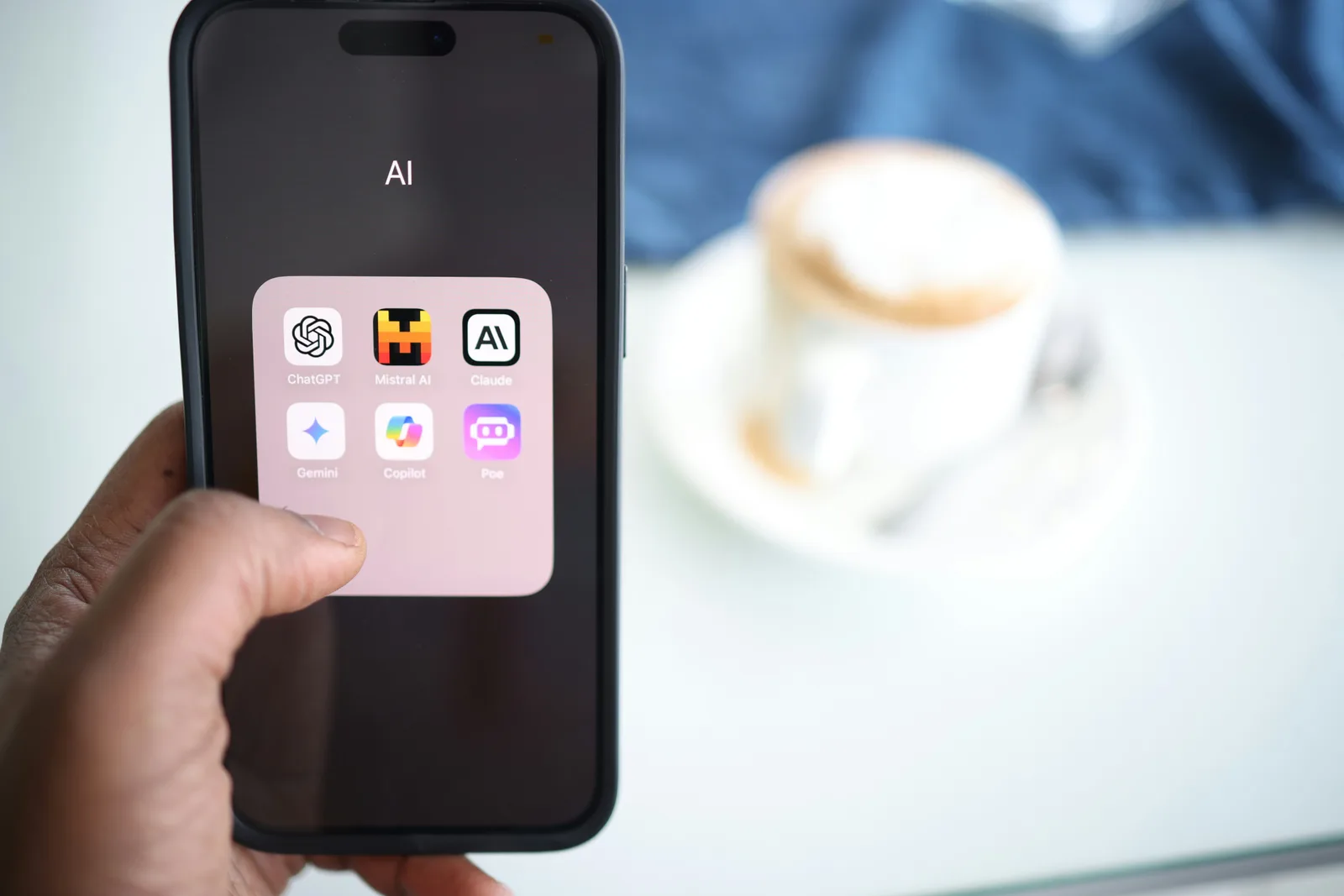
Long-consideration / heavy-research purchase journeysIf your customer’s path involves comparing vendors, reading white-papers, evaluating features, reading peer-reviews; you are in a high-risk zone for traffic loss via AI search. Because users may ask an LLM: “What are the best enterprise CRM tools in 2025?” and get a summary without clicking your website.According to the academic paper “Generative Engine Optimization: How to Dominate AI Search”, authors note: “the shift from traditional search to AI-search necessitates engineering content for machine scannability and building earned media authority.” (arXiv)
High-value and high-trust purchasesWhen there is a large spend or significant trust involved (e.g., investing in enterprise software, financial services, travel booking), users still perform deep research. Those industries depend on being found during that research phase. But when AI summarises and answers without click-through, the window to influence narrows.For example, research by Bain shows 80 % of consumers rely on zero-click results for at least 40 % of their queries. (Bain)
Informational/experience‐rich queries where the answer can be summarisedIndustries whose content is inherently informational (rather than transactional); e.g., “how to buy a car”, “what is best travel destination for 2026”; are highly affected.Because AI can summarise and deliver a complete answer. The research by Rich Sanger & Authoritas found that Health and Home & Garden had high AI-Overview rates (50.3 % and 46.6 % respectively) and that industries like E-commerce, Marketing & Advertising show weaker overlap with traditional organic results. (Rich Sanger SEO)
How brands can act now: AI SEO optimisation strategies
Audit your visibility in AI answers: Track whether your brand/content is being cited in AI-summarised answers (Google’s AI Overviews, ChatGPT, Perplexity). If you’re not, you’re invisible in the new “answer engine” landscape.
Reframe content for AI-readability and human engagement: Structure content with clear headings, bullet-lists, summaries at the top, authoritative data, citations. Make it machine-scannable and human-engaging.
Build earned authority and citations: AI systems favour trusted sources. Get mentions, guest articles, expert citations, authoritative link-backing. Your reputation becomes key.
Focus on conversion quality rather than sheer traffic: As clicks decline, the traffic you do get must convert better. Ensure your content aligns to intent, builds trust, and leads to conversion.
Diversify visibility channels beyond traditional SEO: Since less traffic comes via clicks, broaden into platforms (LinkedIn Thought Leadership, YouTube, podcasts, PR) so users find you via multiple pathways.
Frequently asked questions
1. But traditional SEO still works; why change now?+
Yes, classic SEO hasn’t died, rather it’s evolved. According to Search Engine Land: “AI search tools are on the rise, but SEO fundamentals remain critical.” (Search Engine Land) The difference is you now need both: traditional ranking and AI-answer visibility.
2. Is GEO/AI-SEO a separate discipline or just good SEO?+
Some argue separate tools aren’t needed: For example, the platform Lorelight was shut down arguing that brands winning in AI answers already excel at content, reputation and authority. The nuance: You don’t necessarily need an entirely new discipline, but you do need to adjust your SEO strategy to factor in how large-language-model (LLM) systems summarise content and choose citations.
3. Isn’t it only informational queries being impacted, what about transactional queries?+
True, currently informational queries are impacted most (AI summaries trigger more often for “how to” rather than “buy product X”). But that window is closing: as AI summarisation expands into more commercial intents, the risk will spread across more industries, so waiting is risky.
Score how ready your site is to be cited by AI search engines.
[ Keep exploring ]
Terms in this article

Co-founder & Head of AI Innovation, Index Lab
Guilherme co-founded Index Lab, an AEO/GEO agency that makes brands the answer AI gives across ChatGPT, Gemini and Perplexity, taking clients from zero AI visibility to top recommendations.
[ Related reading ]
AEO vs SEO: Why Your Strategy Needs Both
AEO and SEO do different jobs: one wins the AI answer, the other wins the click. Why brands need both, and how to split effort sensibly between them.
Read →Strategy & InsightsAI traffic converting at 3 to 5x better rate than Google
AI referral traffic is small in volume and high in intent. In our own client data it converted about 6x better than Google organic, at 0.5% of sessions.
Read →Strategy & InsightsWhy Traditional SEO Is No Longer Enough: How AI Search is Changing B2B Buyer Decision-Making
Why traditional SEO no longer covers B2B buying: how AI search reshapes the research journey, and what marketing teams need to change to stay part of it.
Read →See where your brand stands in AI.
Free visibility check →